The gadget in the video always works perfectly. Thirty seconds, one problem you didn’t know you had, and a discount that expires tonight. That pattern shows up whether the product underneath is genuinely good or dollar-store junk with better lighting, which is exactly the problem with judging anything by its clip.
This is a rolling roundup. Each round we pick products currently circulating on social feeds and check the parts a buyer can verify before ordering: what the seller’s own pricing page says, what regulators require, and whether the core claim survives contact with the spec sheet. This round covers a smart ring, a mini massage gun, a pocket photo printer, and LED face masks.
None of these are the anonymous dropship items that vanish after a season. They’re established products with real listings and real prices, which makes them a fairer test of whether “viral” and “worth it” are the same thing. Often they aren’t.
How we compared
Nobody here handled any of these products, and we won’t pretend otherwise. Every number below comes from the manufacturer’s own store or support pages, checked in July 2026 and linked in the sources. Regulatory claims come from the FDA’s own consumer guidance rather than from a brand’s marketing copy.
That means we can tell you what a thing costs, what it’s specified to do, and where a claim is doing more work than the evidence supports. It also means we can’t tell you how the massage gun feels after leg day. Where the answer depends on that, we say so instead of inventing it.
This round’s products
| Product | Price | The viral claim | Verdict |
|---|---|---|---|
| Oura Ring 4 | From $349, plus $5.99/mo or $69.99/yr membership | Tracks sleep, readiness and stress from your finger | USE, if you will actually pay the membership |
| Theragun Mini Plus | $279.99 | Pro-level percussion massage in a pocket-size gun | WAIT: the heat and app features carry the price |
| Phomemo M02 printer | $79.99 list, $66.98 current | Instant sticker-style photo prints for journaling | USE, for the journaling and scrapbooking audience |
| LED face masks (category) | Widely $100 to $350+ | At-home red and blue light skin treatment | SKIP, unless you can verify the clearance |
Smart rings: genuinely useful, with a subscription catch
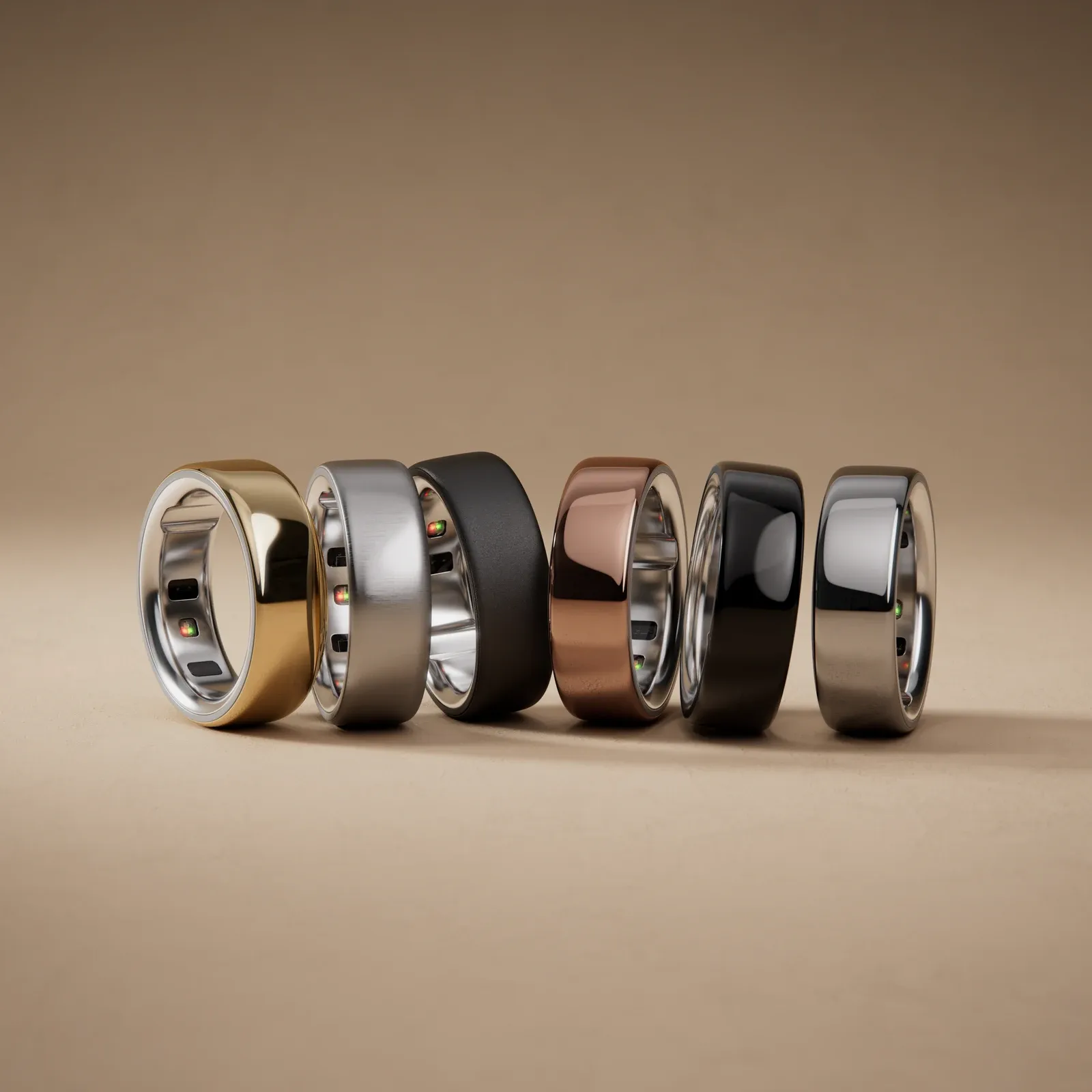
Oura Ring 4 finishes. This is an official Oura press-kit image, published by Oura for media use, not a photo of a unit we handled.
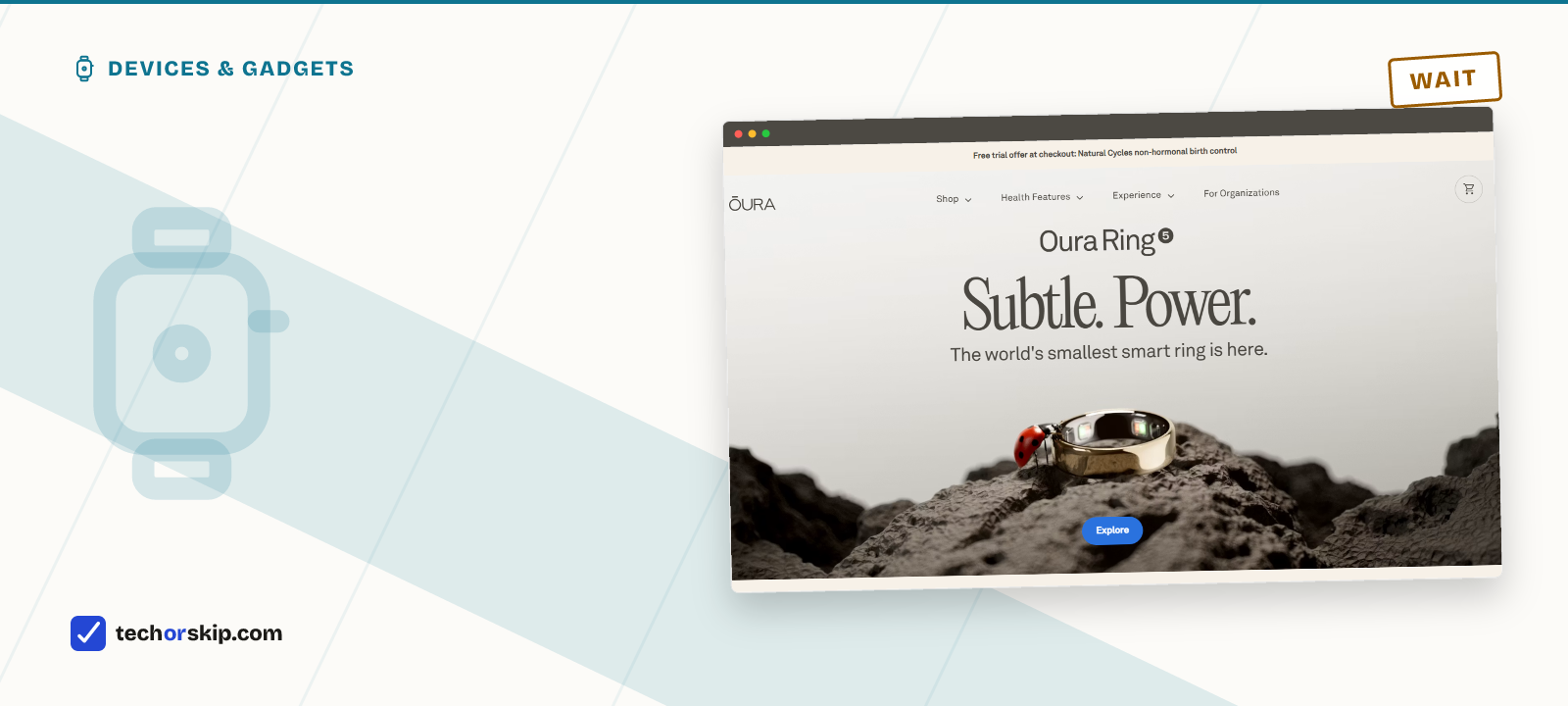
The smart ring category, led by Oura, tracks heart rate, blood oxygen, sleep stages and stress from a ring instead of a wrist strap. That’s the actual appeal: less obtrusive, and wearable overnight without a bulky watch face.
Here’s the part the videos skip. Oura’s own store page states the membership costs $5.99 a month or $69.99 a year, and new members get their first month free. One month, not one year. Oura Member Care spells out what sits behind that paywall: without a membership you see three daily scores and little else. Sleep analysis, heart rate, temperature, blood oxygen, stress, activity goals and women’s health features all require the subscription.
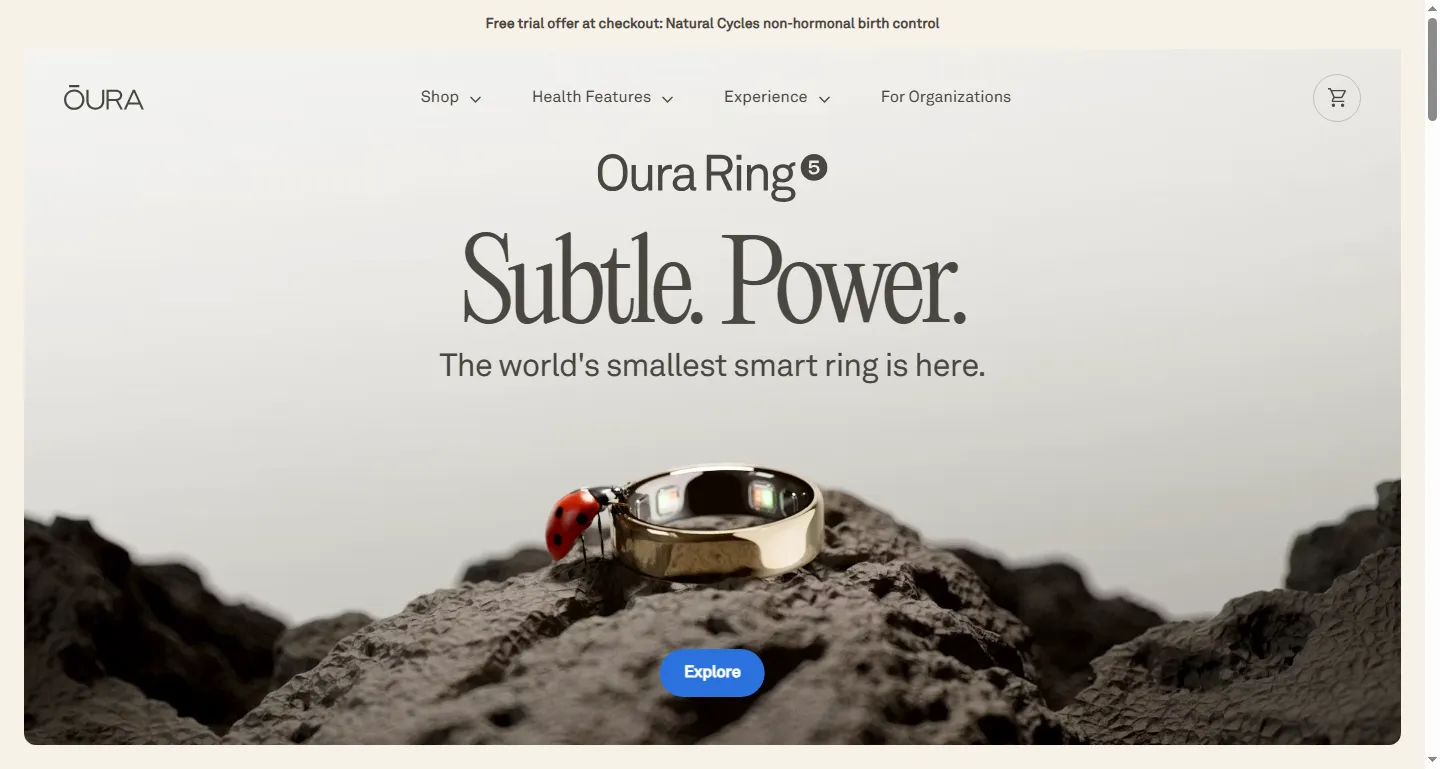
Oura’s own pricing page. The ring cost is only half the number that matters here.
The hardware starts at $349, a figure Fortune used in February 2026 when it asked Oura’s CEO to defend charging a subscription on top of it. Run that for three years and the membership adds roughly $210 at the annual rate. It’s closer to a health app that happens to include a ring than to a gadget you buy once.
If you’ll open the app and act on the trend data, that’s a fair trade. If the appeal is mostly the idea of tracking your sleep, the subscription is the part that quietly outlasts the novelty.
The “is this subscription actually worth it” question isn’t unique to a ring, either. Which AI subscription is actually worth paying for asks the same thing about the software version of this decision.
Massage guns: what the premium actually buys
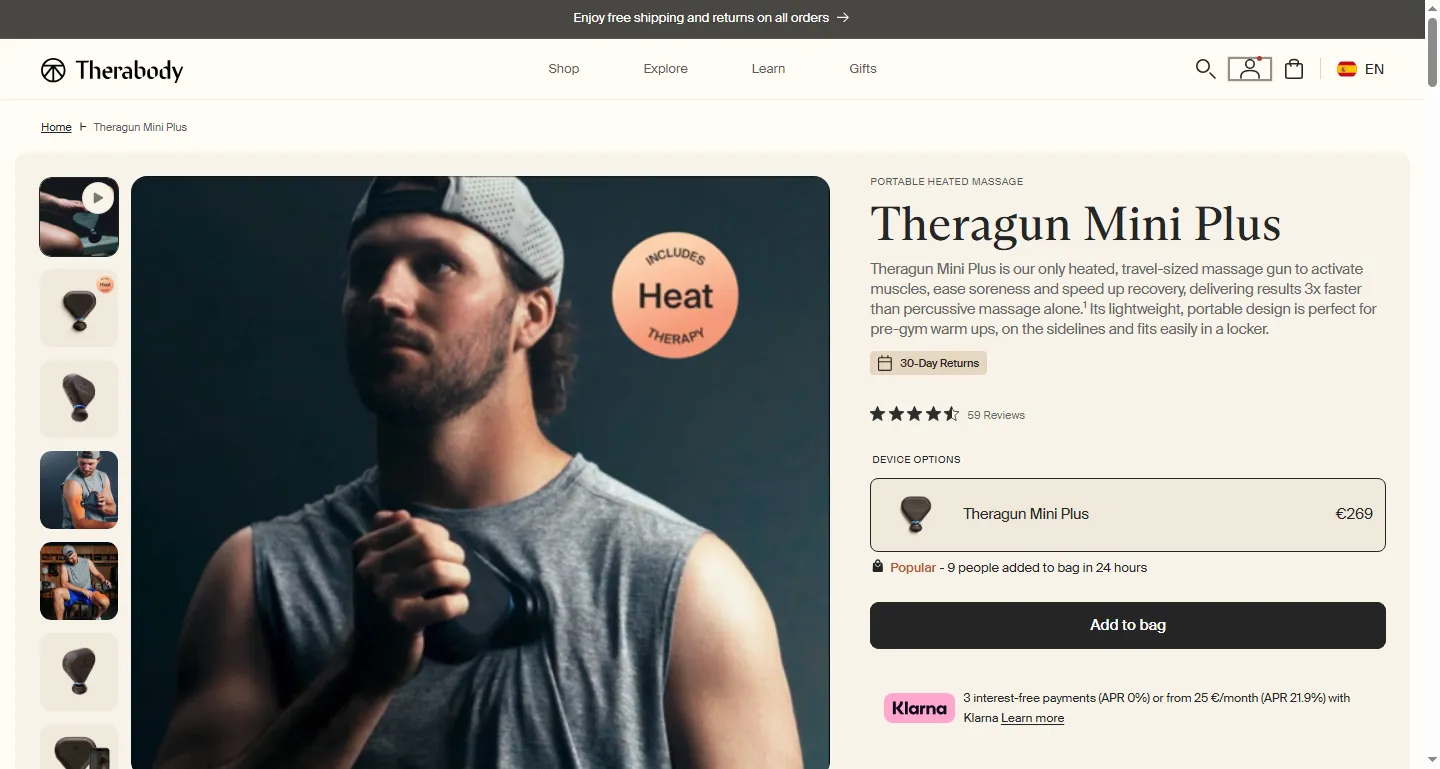
Therabody’s current Mini Plus page, the model that replaced the Mini in this line.
Percussion massage guns are a genuinely useful recovery tool, and Therabody’s Mini Plus is the compact one people keep seeing in clips. Therabody lists it at $279.99, with about 120 minutes of battery life at 31.2 oz, and its stated differentiator is heat: the Mini Plus is the only travel-sized Theragun with a heat function, plus app control over Bluetooth.
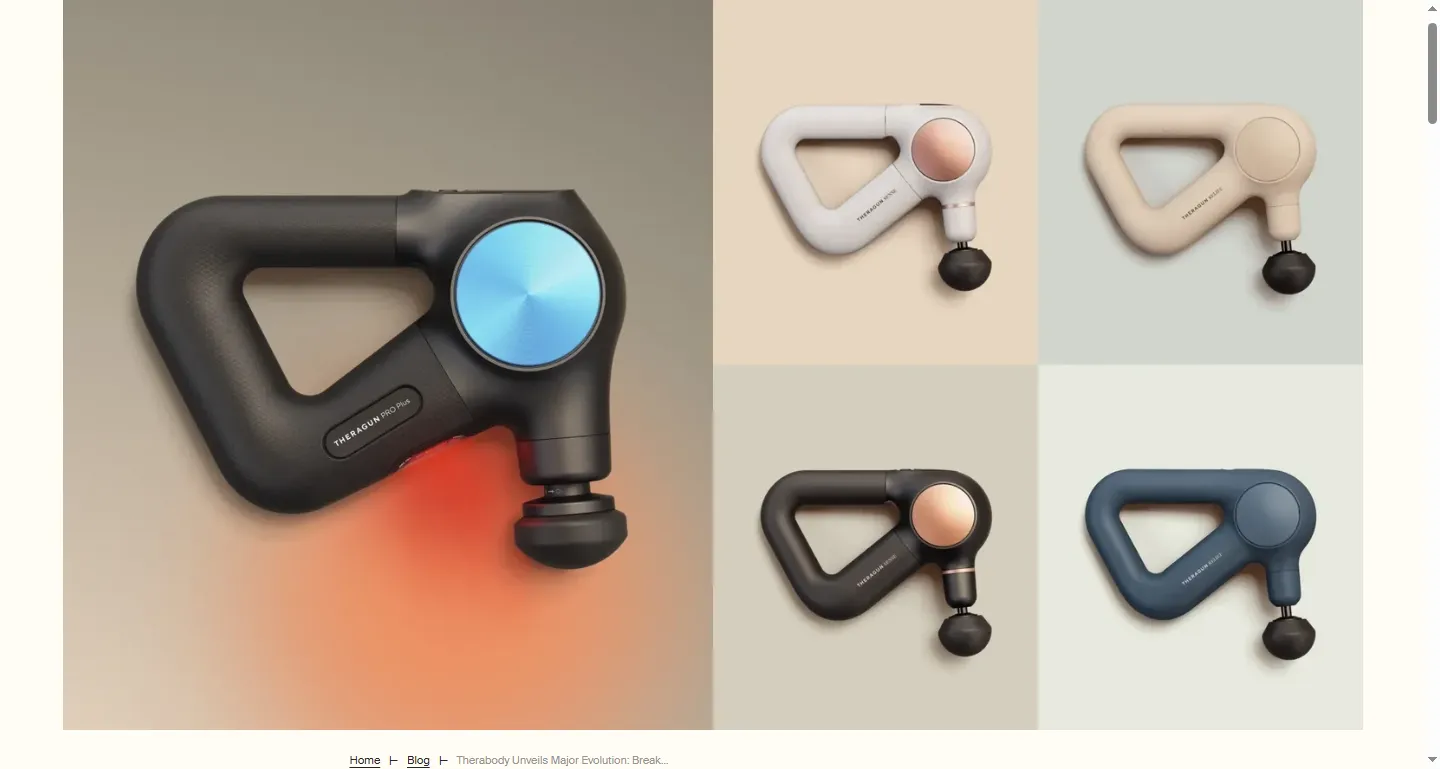
Therabody’s own newsroom post on the current Theragun line. Shown for the lineup and the marketing pitch, not as a unit anyone here handled.
So the honest question isn’t whether it works. It’s whether heat, app feedback and the Therabody name are worth roughly three times what a no-name mini gun sells for. If you already know you want heated percussion from a company that will still exist for the warranty, the price is defensible. If you want something to loosen a calf twice a week, the cheaper category does the core job, and nothing on Therabody’s page argues otherwise.
That’s a judgment call about your budget, not a spec you can look up. We’d rather say that plainly than fake a side-by-side we didn’t run.
Pocket printers: cheap, fun, and it does what the video shows
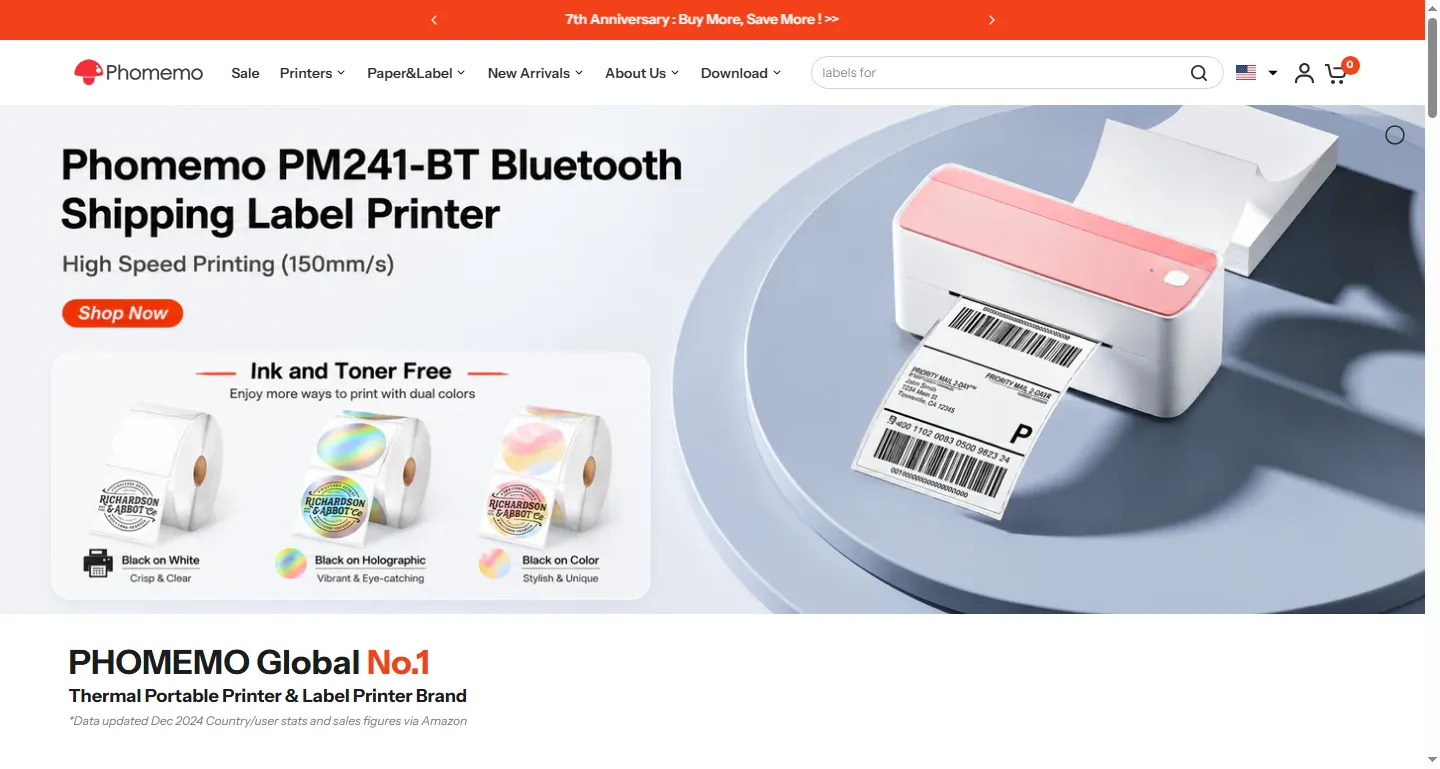
Phomemo’s homepage. Simple product, and the marketing doesn’t oversell it much beyond what it actually does.
The Phomemo M02 is the rare viral item where the demo isn’t misleading. Phomemo lists it at $79.99, discounted to $66.98 when we checked, and the spec sheet is refreshingly boring: 203 dpi thermal printing onto 53mm rolls, no ink or toner at all, 190 grams.
The realistic limits follow directly from that spec. Thermal printing means monochrome output, not full color, and thermal paper fades over years in direct light. Fine for a journal page. Not a replacement for a photo print you want your grandchildren to see. For its actual use case and price, this is the closest thing on the list to “it does what the clip says.”
LED face masks: check the clearance before the discount code
LED face masks are the most contested category here, because the same glowing thumbnail sells a $350 device with clinical backing and a $40 one with none.
Start with the words. The FDA explains the difference plainly: “cleared” means a device went through 510(k) review and was found substantially equivalent to something already on the market, while “approved” means a Class III device cleared a much higher bar with human clinical trials. Consumer LED masks are the first kind. So a mask advertised as “FDA-approved” is either using the wrong word or hoping you don’t know the difference.
The useful part is that you can check for yourself. The FDA publishes a searchable 510(k) database, linked from the same page. Search the manufacturer, and either the clearance exists or it doesn’t.
Watch how the careful brands word it. Shark lists its CryoGlow mask at $349.99 and leads with “clinically backed benefits” rather than a clearance claim on the storefront itself. If a well-funded brand is that careful with its wording, treat a $40 unbranded mask promising the same results with considerably more suspicion.
What’s still worth checking on any viral product
A few checks apply to nearly anything trending. Search the seller’s name and see how long the storefront has existed. Check whether the identical item shows up on wholesale marketplaces under a different brand at a fraction of the price. Note whether the viral clips disclose a commission, which the FTC’s influencer guidance requires when there’s a material connection.
Two minutes on those checks beats watching another five unboxing videos. For accounts pushing genuinely fabricated claims rather than ordinary hype, the tactics overlap with what we cover in how to recognize an AI-generated scam.
Worth it for
- This round's products are real, listed items rather than anonymous dropship junk
- Two of the four (smart ring, pocket printer) hold up well against their specific claims
- The FDA 510(k) database lets anyone check an LED mask claim in about a minute
Skip it if
- Recurring subscription costs on hardware like the Oura Ring are easy to miss in a short video
- Premium branding often costs more than the functional difference justifies
- Unbranded and uncleared versions of the same product can look identical to legitimate ones in a thumbnail
Alternatives
- The same “check before you trust the demo” instinct applies well beyond gadgets. See AI subscriptions most people don’t need for the software version of this skepticism.
- If a viral product’s ongoing cost is the real concern, read tech subscriptions you can replace for free before adding another one.
- Scam-shaped rather than merely overhyped? Learn to recognize an AI-generated scam. Some viral storefronts run exactly those tactics.
Verdict
WAIT and check first. This round split down the middle. The smart ring and pocket printer earn their attention for the audiences they’re built for, the massage gun is good but priced on features you may not want, and LED face masks demand a clearance check before any purchase makes sense. The pattern holds across viral products generally. Verify the model and the price on the seller’s own page before the discount timer decides for you.
Common questions
Are viral TikTok gadgets actually worth buying?
This round split down the middle. The Oura Ring and the Phomemo pocket printer hold up well against their specific claims once you check the manufacturer’s own pricing and spec pages, while the Theragun Mini Plus is priced more on its heat function and app features than a functional gap, and LED face masks need a clearance check before any purchase makes sense. The pattern holds across viral products generally: verify the model and price on the seller’s own page before a countdown timer decides for you.
Are smart rings worth it, or just a gimmick?
Genuinely useful for the right person, with a subscription catch the videos skip. Oura’s ring starts at $349, and per Oura’s own store page, the membership adds $5.99 a month or $69.99 a year on top, with only three basic scores available without it. If you’ll actually open the app and act on the sleep and readiness data, that’s a fair trade. If the appeal is mostly the idea of tracking your sleep, the subscription is the part that outlasts the novelty.