A $63 band and a $379 watch solve almost the same problem for two very different kinds of people. If you’re stuck choosing, it usually comes down to one question: do you already check your phone every few minutes for notifications, or would you rather not?
Samsung just complicated the decision. The Galaxy Watch 9 launched on July 22, 2026, with a bigger battery and a new chip, right as Fitbit and Xiaomi keep proving that a band a tenth of the price will outlast it by weeks. Both of those things are true at once, and they point at different buyers.
This isn’t a single verdict on one product. It’s a way to figure out which side of that split you’re actually on before you spend anywhere from $63 to $409.
How we compared
Prices and specs below come from Apple’s, Samsung’s and Xiaomi’s own product pages, plus Tom’s Guide’s and Wareable’s published testing, all checked in July 2026. Battery figures are each manufacturer’s own “typical use” claims unless a reviewer measured otherwise, and that distinction is called out where it matters.
We haven’t strapped these to a wrist ourselves. What we can do is put the real prices and the real battery claims side by side and be blunt about the tradeoff: more screen means more charging, every time, no exceptions.
Five devices, one battery gap
| Device | Price | Battery | Display | Best for |
|---|---|---|---|---|
| Apple Watch SE 3 (40mm) | $249 | About 18 hours typical use | Always-on color LCD | iPhone owners who want apps and calls |
| Galaxy Watch 9 (40mm) | $379.99 | 1 to 2 days typical use | Full color AMOLED | Android owners who want a full smartwatch |
| Fitbit Charge 6 | $159.99 | Up to 7 days | Small color AMOLED | Fitness tracking without a full OS |
| Xiaomi Smart Band 9 | Around $63 | Up to 21 days | Color AMOLED, no app store | Budget buyers who mainly want steps and sleep |
| Fitbit Inspire 3 | $99.99 | Up to 10 days | Small color OLED | Simplest option, no GPS |
What a smartwatch actually adds
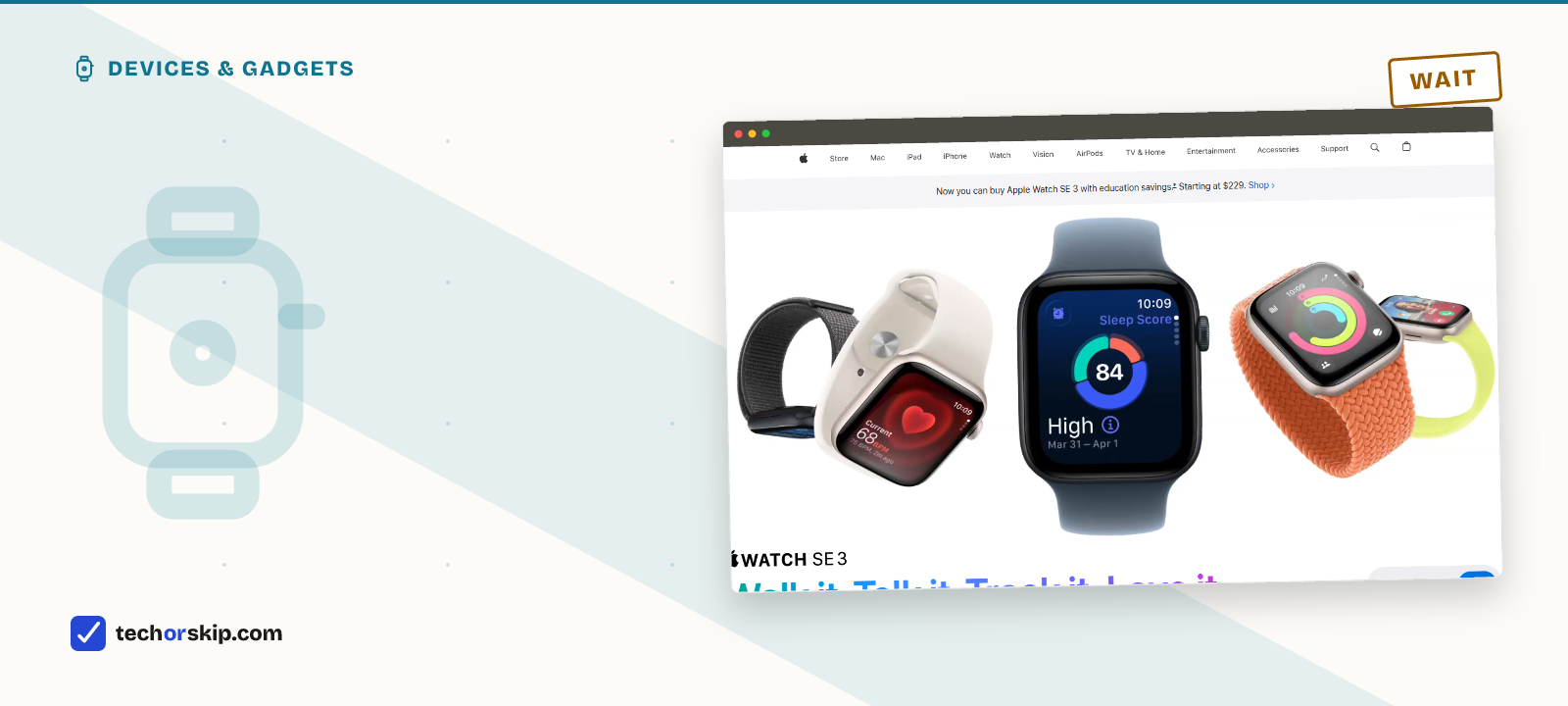
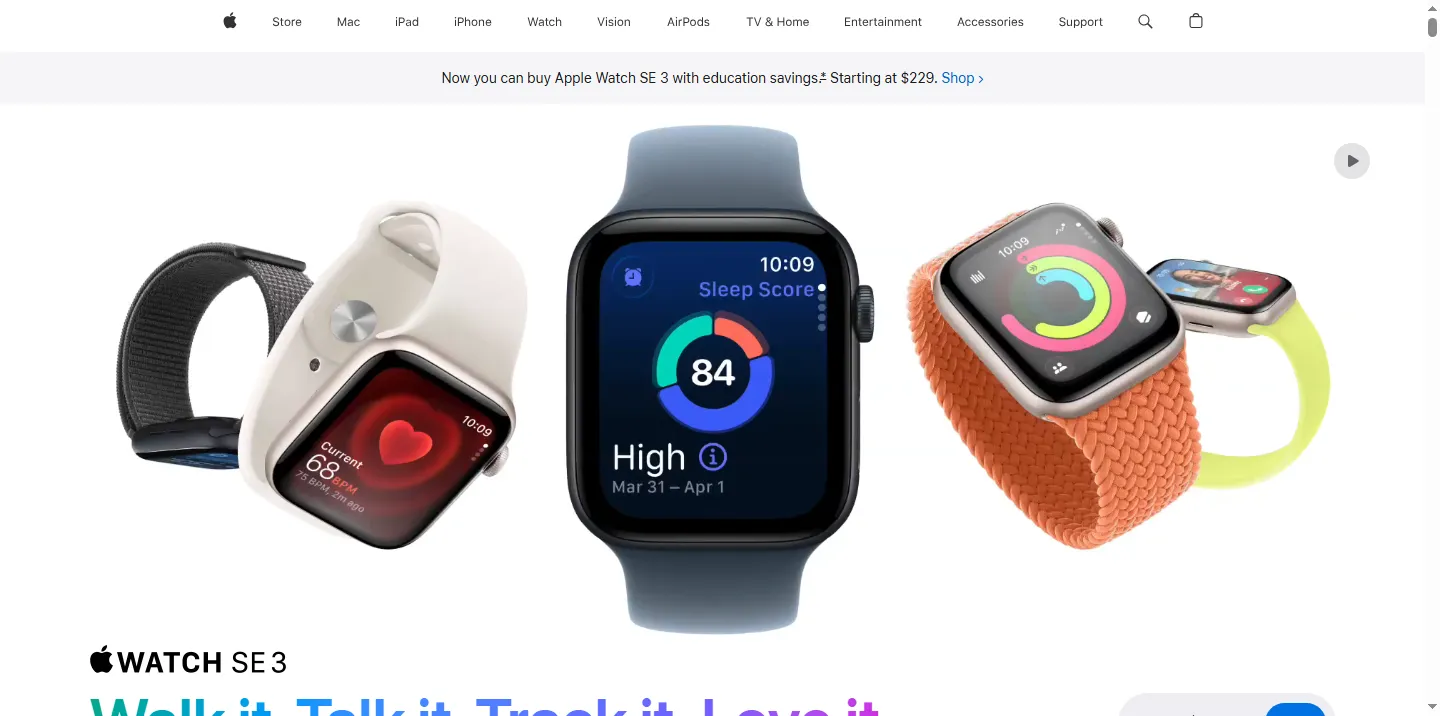
The Apple Watch SE 3 runs the same processor as the pricier Series 11, and starts at $249 for the 40mm GPS model ($229 with Apple’s education discount). That gets you apps, Apple Pay, fall detection, cellular as an option, and notifications you can act on without pulling out your phone.
Samsung’s Galaxy Watch 9 arrived a few days ago at Unpacked in London, alongside new AI glasses, part of the same wearable-computing push we covered in our look at whether smart glasses are worth buying. It runs a new Snapdragon Wear Elite chip and packs a 390mAh battery, about 20% bigger than last year’s Watch 8, starting at $379.99 for the 40mm model.
Both also work as a limited phone replacement for short stretches. Leave your phone at home for a run, and a cellular Apple Watch or Galaxy Watch can still take a call or send a text. A band can log that same run just as accurately. It just can’t ring.
Both are genuinely capable computers for your wrist. Neither is designed around lasting more than two days without a charger nearby.
The battery tradeoff nobody puts in the ad
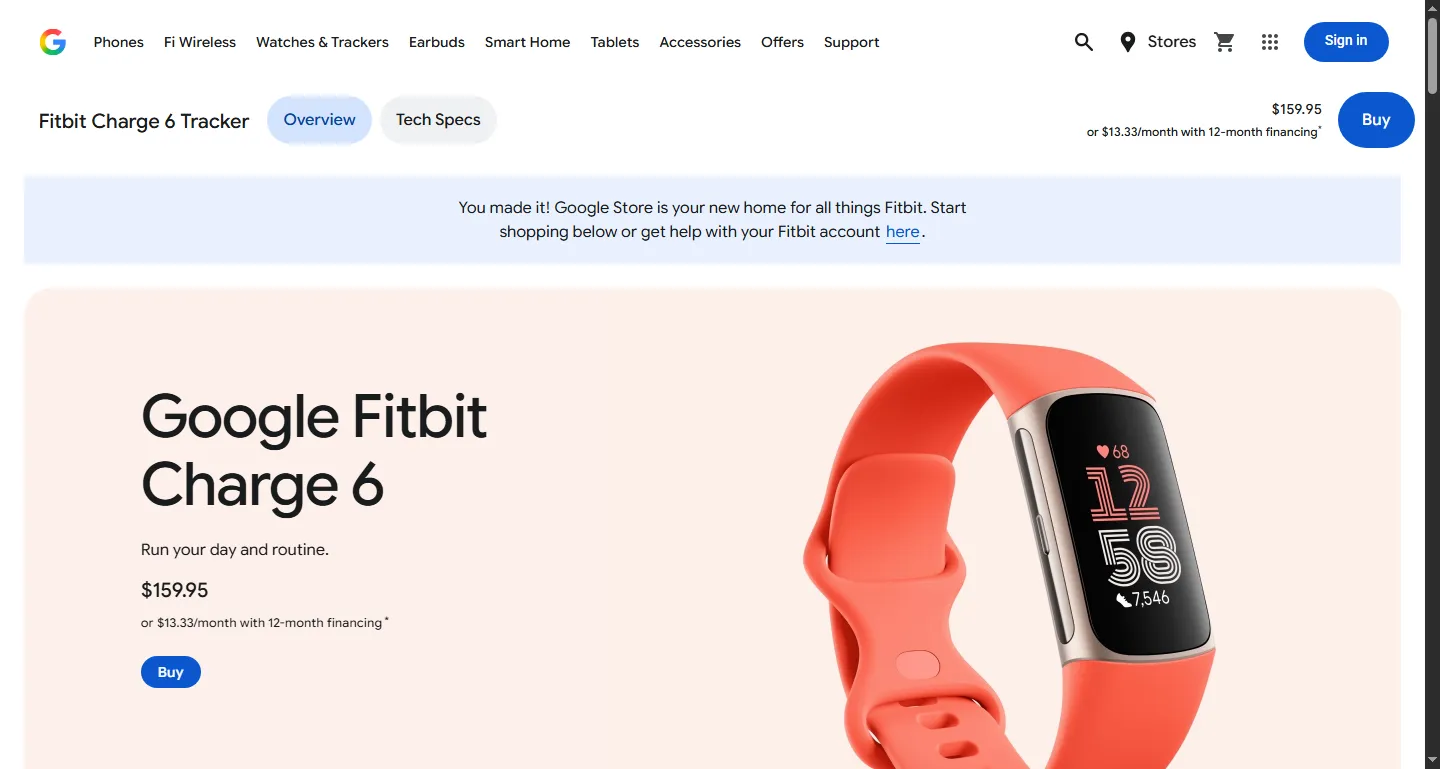
Fitness bands measure battery life in weeks. The Xiaomi Smart Band 9 claims up to 21 days on a charge, and independent testing has backed that up, with some reviewers getting close to a month out of it. The Fitbit Charge 6 is rated for up to 7 days, and the simpler Inspire 3 stretches to 10.
Smartwatches measure it in hours. Apple doesn’t publish a multi-day figure for the Watch SE because there isn’t one under typical use. Samsung’s bigger battery on the Watch 9 is a real improvement, and it still lands around a day or two, not a week.
There’s a reason for that gap: an always-on color screen, a cellular radio, and a full operating system all draw power a band’s simple e-paper-style display never has to spend.
Who actually needs the screen
If you want to reply to a text, pay for coffee, or leave your phone at home during a run, a fitness band can’t do any of that. That’s the entire case for the extra $150 to $300: a watch is a second computer, and a band is a sensor with a clock face.
The data question matters here too. Everything a wrist device tracks, sleep stages, heart rate, GPS routes, syncs to an app on your phone, and it’s worth locking down the same way. Our rundown of phone settings worth changing immediately covers exactly what to check before you strap on a heart rate sensor that reports to a company’s servers all day.
Most people, honestly, use a fraction of what a smartwatch offers. If your actual daily use is checking steps, glancing at sleep score, and occasionally answering a call you’d rather have taken on your phone anyway, you’re paying $250-plus for capability you won’t touch.
When the band wins outright
Xiaomi’s Smart Band 9 costs a quarter of the cheapest Apple Watch and lasts three times as long between charges. Fitbit’s Inspire 3 skips GPS and apps entirely and still tracks sleep, heart rate and workouts well enough for most people’s actual goals.
Neither pretends to be a computer. That’s the point. If charging anxiety is the reason your last smartwatch ended up in a drawer, a band removes the anxiety instead of just improving it.
Health tracking accuracy, the other variable
Smartwatches and bands don’t just differ in screen and battery. They differ in what they can measure. The Galaxy Watch 9 includes ECG and blood oxygen sensors, features that need regulatory clearance in most markets. Apple’s Watch SE 3 skips both to hit its price. Apple’s own spec page lists the ECG and Blood Oxygen apps as not applicable, though the SE 3 still covers heart rhythm notifications, a wrist temperature sensor and sleep apnea detection. Xiaomi’s Smart Band 9 and Fitbit’s Inspire 3 skip ECG entirely too, relying on simpler optical heart rate sensors.
Wareable’s own fitness tracker testing has consistently found that step counts and basic heart rate track closely across price tiers. Cheap bands aren’t meaningfully worse at the fundamentals. Where the gap opens up is advanced metrics: irregular rhythm notifications, fall detection, and workout-specific GPS accuracy all lean toward the pricier devices.
For most people chasing a step goal and a sleep score, that gap doesn’t matter. For anyone managing a heart condition or training for a race pace, it might be the whole decision.
One more cost worth factoring in: Fitbit gates some of its best insights behind a $9.99 monthly Premium subscription, on top of the hardware price. Apple’s and Samsung’s health apps are free with the watch, which quietly changes the real cost of the cheaper-looking Fitbit over a year or two.
Worth it for
- Bands last weeks per charge instead of a day or two
- A good band costs a quarter to a third of an entry smartwatch
- Smartwatches replace real phone tasks: payments, calls, apps, maps
- Samsung's new battery on the Watch 9 is a real, measurable improvement
Skip it if
- Smartwatches still need nightly or near-nightly charging
- Bands have no app store and limited or no GPS on cheaper models
- A capable smartwatch costs 3 to 6 times what a good band does
- Health data from either device is only as private as your phone's settings
Alternatives
- Garmin’s fitness watches trade smartwatch apps for dedicated GPS and training metrics, and Wareable’s own testing rates their battery life in days, not hours, even with GPS running, a middle path for serious runners.
- The Apple Watch Ultra 3 or Galaxy Watch Ultra push battery life closer to two full days of mixed use, at $650 to $799, if you want both the screen and the stamina and don’t mind paying for it.
- A basic $50 band like the Amazfit Band 7 covers steps and sleep for less than a dinner out, if even $63 feels like too much for a fitness tracker.
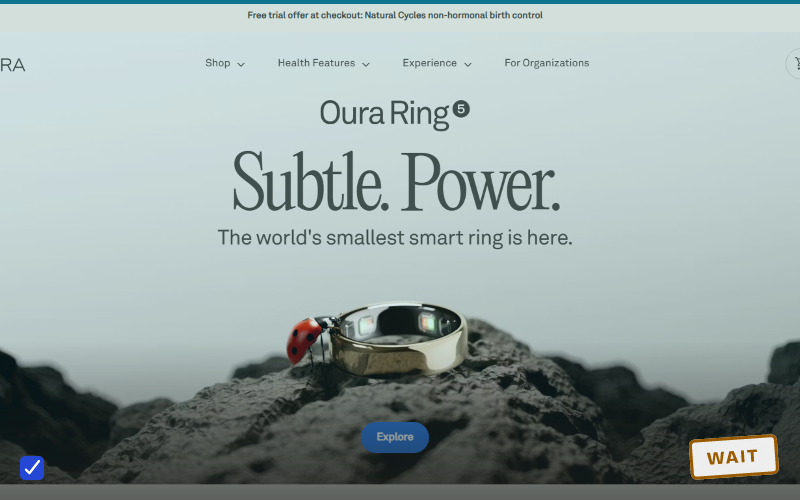
- Smart rings skip the wrist and the screen entirely for even longer battery life; see are smart rings worth it or a gimmick for whether that trade makes sense for you.
Verdict
WAIT before buying a full smartwatch unless you already know you’ll use the apps, payments and calls. Start with a band. If you find yourself wishing you could reply to a text without your phone, or you’re an athlete who wants GPS mapping on your wrist, upgrade with a clear reason instead of a hunch. The people who get real value from a Galaxy Watch 9 or Apple Watch SE are the ones already reaching for their phone constantly. Everyone else is paying $150 to $300 to charge something every night.
Common questions
Is a fitness band enough, or do I need a smartwatch?
For most people, a band is enough. Fitness bands like the Xiaomi Smart Band 9 track steps, sleep and heart rate about as well as a smartwatch for the fundamentals, according to Wareable’s testing, and last weeks per charge instead of one or two days. A smartwatch earns its higher price only if you’ll actually use the apps, payments, or calls it adds. If your daily use is checking steps and a sleep score, you’re paying $150 to $300 extra for capability you won’t touch.
Is an Apple Watch worth it if I don’t work out?
Possibly, but for reasons unrelated to fitness. The Apple Watch SE 3 works as a limited phone replacement even without a workout habit: Apple Pay, fall detection, notifications you can act on without pulling out your phone, and cellular as an option. If none of those non-fitness features appeal to you either, a plain fitness band covers the actual use case for a lot less money.