For occasional research, no, the free tier already covers it. Perplexity Pro at $20 a month earns its cost once you’re running enough sourced, multi-step queries a day to hit the free plan’s small daily allowance, or once picking the underlying model actually matters to you.
That’s a narrower bar than the marketing suggests. Perplexity’s free tier gives you unlimited basic search with inline citations already, which is more generous than most people assume before they check.
How we compared
Pricing and plan structure come from Perplexity’s own Pro FAQ, checked in July 2026. Where a specific daily limit isn’t published consistently, that’s said plainly rather than picked from whichever tracker gave the roundest number.
We haven’t run a side-by-side research test ourselves. For how Perplexity and three other tools handle citation accuracy specifically, our research on which AI doesn’t make up sources covers that question with two published benchmarks, named and linked inline.
What the free tier already covers
Perplexity’s free plan gives you unlimited standard search with sources shown inline by default, not buried behind a follow-up prompt. That alone covers most casual research: fact checks, quick comparisons, a question you’d otherwise Google and click through three tabs to answer.
The limit shows up on Pro Search, Perplexity’s deeper mode that runs multiple steps and pulls from more sources per answer. Free gets a small daily allowance of it. How small is one of the few figures that isn’t nailed down consistently. Trackers report anywhere from three to five Pro Searches a day, and Perplexity doesn’t publish a fixed number itself. What’s consistent everywhere: it’s a small daily allowance, not a generous one, and Pro removes the cap.
Free users also get file uploads, just capped lower than Pro, and no access to picking a specific underlying model.
What Pro actually adds
Twenty dollars a month buys three things worth naming separately, because they matter to different people.
The daily Pro Search cap effectively disappears. If you’re a few queries past the free allowance most days, this is the whole case for upgrading right there.
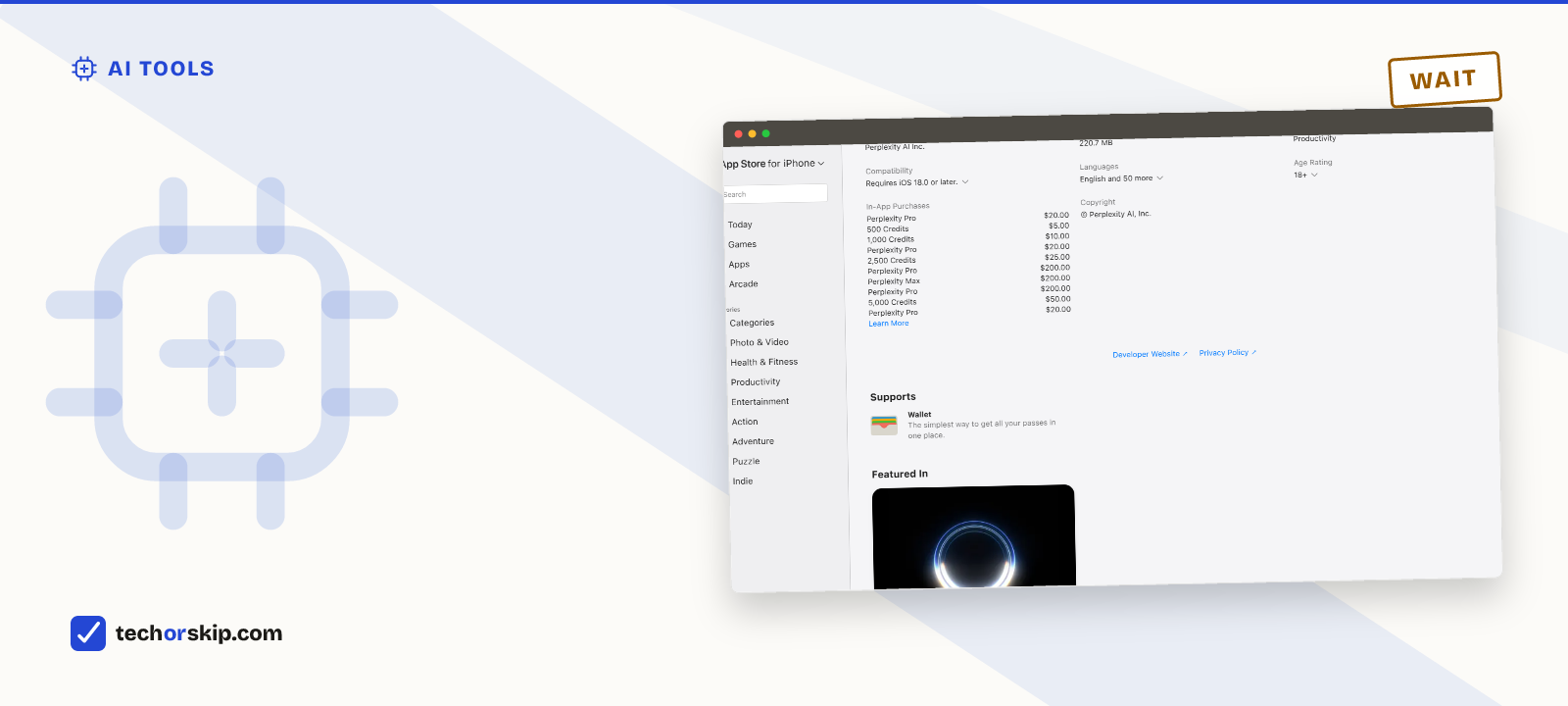
You also get a model picker instead of Perplexity choosing for you. Pro lets you select which model answers, including options like GPT-5.2, Claude Sonnet, Gemini, and Grok alongside Perplexity’s own Sonar model, with a “Best” mode that picks automatically if you don’t want to choose. Perplexity’s higher Max tier at $200 a month reserves the most expensive reasoning models, like Claude Opus, for people who need that specific horsepower.
Pro also raises file upload limits, adds image and video generation, and includes access to Perplexity’s Comet browser agent. None of those are research-specific, but they’re bundled into the same $20.
One Pro feature is worth calling out for research specifically: Projects (Perplexity’s name for a persistent workspace that holds files and past queries together). If you’re working a single research question over several days rather than asking a one-off question, keeping everything in one project beats starting fresh in a new chat every time. Free doesn’t get this at all.
Is Pro actually more accurate, or just less limited
This is the question that matters most for research specifically, and the honest answer is: mostly the second one.
Paying for Pro doesn’t make Perplexity’s underlying citations more trustworthy. It removes a daily ceiling and adds model choice. The accuracy question is separate, and it’s not flattering to any AI research tool, Perplexity included. Published benchmarks show fabrication rates that swing wildly by task type: Vectara’s hallucination leaderboard puts the best models at roughly 2 to 3 percent when a model summarizes a document you hand it, while a wider recall-based test found rates as high as the 20s to 90s percent when a model answers from memory and attaches its own source.
Perplexity’s structural advantage is that it shows sources inline by default, on both the free and paid tiers. That makes verification fast, which is the part that actually protects you. Faster checking, not fewer mistakes to check.
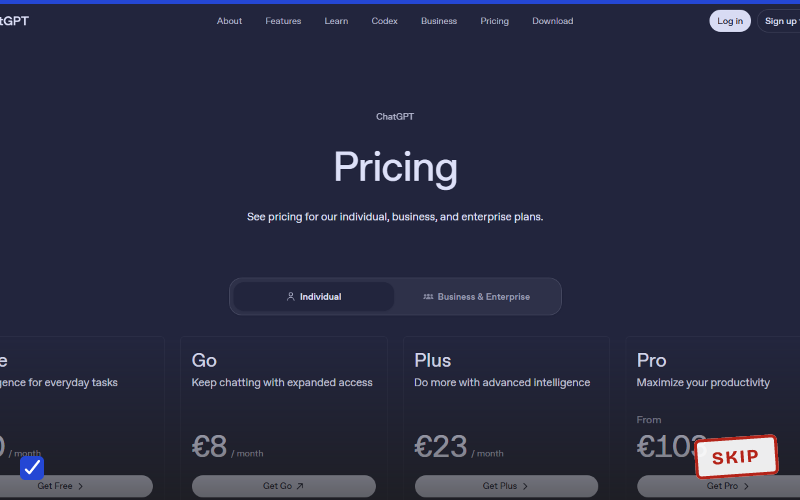
If you’re weighing whether OpenAI’s research mode is a safer bet than Perplexity’s, ChatGPT’s Deep Research is limited on the free tier and fuller on Plus at $20 a month per OpenAI’s pricing page, the same price point as Perplexity Pro.
Pricing
| Plan | Price | Pro Search allowance | Model choice |
|---|---|---|---|
| Free | $0/mo | Small daily cap, reports vary 3-5/day | No, Perplexity chooses |
| Pro | $20/mo, or $200/yr | Effectively unlimited | Yes, plus a Best auto mode |
| Max | $200/mo | Unlimited, highest usage overall | Yes, includes top reasoning models |
Pro at $200 a year works out to the same rate as paying monthly, which isn’t true of every annual AI plan. Worth knowing before you commit twelve months up front for a discount that isn’t actually there.
Worth it for
- Inline citations by default make verification fast on both free and paid tiers
- Free already covers casual research completely, at no cost
- Pro's model picker lets you match the tool to the task instead of accepting one default
Skip it if
- Paying does not make citations more trustworthy, only less rate-limited
- The exact free-tier Pro Search cap isn't published and varies by report
- $20 overlaps almost exactly with ChatGPT Plus and Claude Pro, so it competes with tools you may already pay for
Alternatives
- ChatGPT Plus, if you’re already inside that ecosystem. Deep Research is capped on Free and fuller on Plus at the same $20 price, per OpenAI’s pricing page.
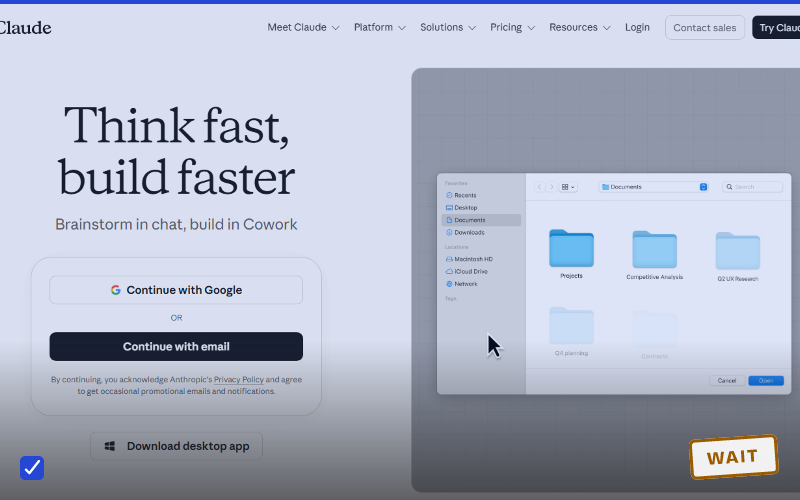
- Claude Pro, if long documents are your main research task. Claude Pro runs $20 a month, or $17 a month billed annually, per Anthropic’s own pricing page.
- Google Scholar or a library database for anything academic. Skipping the AI summary step entirely avoids the drift where a citation-shaped sentence turns out not to match its source.
The verdict
WAIT before paying. Free is not a stripped-down demo here. It’s unlimited basic search with real inline citations, which covers a genuine majority of casual research needs at no cost.
Pro is worth $20 once you’re hitting the daily Pro Search wall often enough to notice, or once the model picker becomes something you’d actually use rather than a feature you’d never touch. Track your own usage for a week before subscribing. If you never bump into the free cap, you were never the customer this plan is for.
How to actually test this before paying
You don’t need to guess. Use free Perplexity for your normal research for five to seven days and count two things: how many times you hit the Pro Search limit, and how many times you wished you could pick a different model.
If the answer to both is close to zero, you have your answer already, and it’s free. If you’re hitting the Pro Search wall most days, or you keep noticing you’d rather have a specific model answer a specific kind of question, that’s the $20 paying for something you’d actually use rather than a plan you subscribed to on a whim.
This matters more for Perplexity than for most subscriptions, because the free tier here isn’t a crippled trial. It’s a genuinely complete product with one narrow ceiling. Paying without confirming you hit that ceiling is paying for nothing.
Common questions
Is ChatGPT Deep Research worth it vs Perplexity?
Both use live web search, which published benchmarks suggest is meaningfully safer than a model answering from memory alone. ChatGPT’s Deep Research is limited on the free tier and fuller on Plus at $20 a month. Perplexity was built around search-and-cite from the start and shows sources inline by default, which makes it faster to actually verify, whichever plan you’re on.
Which AI doesn’t make up sources?
None of them are immune. Vectara’s hallucination leaderboard puts the best models at roughly 2 to 3 percent fabrication when summarizing a document you gave them, but that jumps sharply when a model recalls a fact from memory and attaches its own source. Perplexity’s inline citations don’t make the underlying model more honest, they just make checking its work faster.
Is Claude Pro worth it?
For research specifically, it depends on the task. Claude Pro costs $20 a month, or $17 a month billed annually, and tends to handle long documents and structured analysis well. If your research is mostly live web lookups with citations, Perplexity or ChatGPT’s Deep Research is the more direct fit; Claude Pro earns its cost when you’re feeding it long source material to analyze rather than searching the open web.